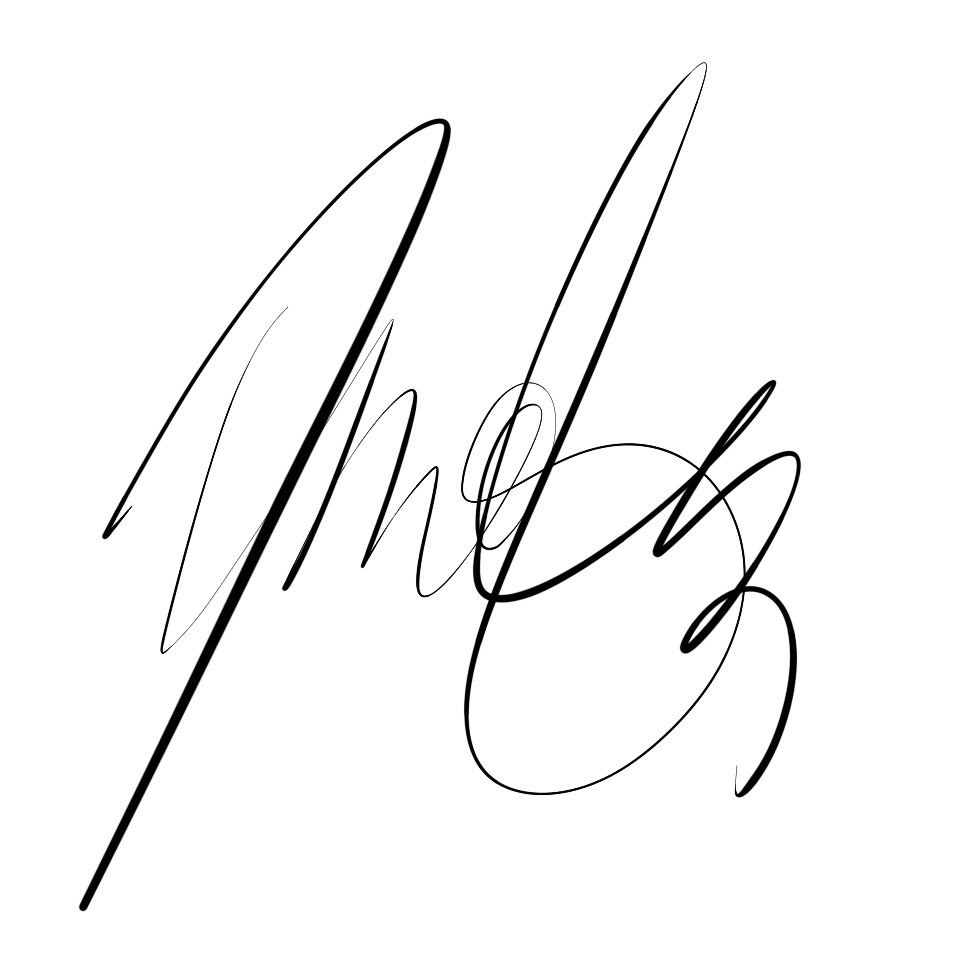
Creative expression automatically reflects your personality and events from your life. Your body makes the marks. Your body that lives the life and remembers the experiences, creates the art in response. You can’t disconnect yourself from it. You can’t separate yourself from your brain or your hand, and you can’t disassociate from the product, either. Just as you are connected to the fingerprints you leave behind so casually, so effortlessly. You are recorded in the composition.
The way to expand your creative mind and abilities is to do something creative. I think it’s very useful to learn to use your medium of choice, but I think it’s more important to develop your confidence. You don’t need expensive art supplies. You don’t have to use all of the supplies properly. You can draw on the wall of a cave with a stick from the fire. The urge will turn to passion as you become comfortable with your artistic voice.
Art is subjective, and I love that about it. I have always said that I love to see the hand of the artist in the work. Some people see these features as flaws. I see them as necessary, or at least desirable. I dislike it when potters smooth everything out so you can hardly tell whether it was made by a machine. I’m not impressed if I can’t tell whether it’s a painting or a photograph. Or when people use a filter to take every bit of life and character out of their selfie.
I do like my cups and bowls to be as close to round as I can get them, but you’re going to see an impression of me in there somewhere. This bit of mud spun between my fingers. That’s how it got here.
I’ve said it many times, in many different ways. I love old pottery. I love simple, functional forms. I don’t intentionally make dimples and indentations, but sometimes I allow them to be there. I like haphazard daubs of glaze. In this, I was inspired by early New England pottery. I bring my version of it in colors and my own human hand. The glaze sometimes looks a bit like my acrylic paintings.
Everyone gets to like what they like. A friend held one of my pots and announced that she only likes smooth surfaces. That was the end of that conversation. I like textures, and I like smooth gloss.
I like what I like, and if you like what I make, here it is. I’ll change the way I do things when it feels right to me. Or I’ll notice it after the fact. It changes all the time anyway, but hopefully it always comes from an authentic place in me. I always want to improve, but that success may be very different from your ideal. It’s not your voice I am expressing. It won’t be the way you would do it.
I’m going to take part in a sale soon. If anything, I should be worried about not selling my pieces, but I’d rather keep them all! My cupboards are overflowing, and I keep making more.
———————
from Wikipedia: Characteristics of wabi-sabi aesthetics and principles include asymmetry, roughness, simplicity, economy, austerity, modesty, intimacy, and the appreciation of both natural objects and the forces of nature